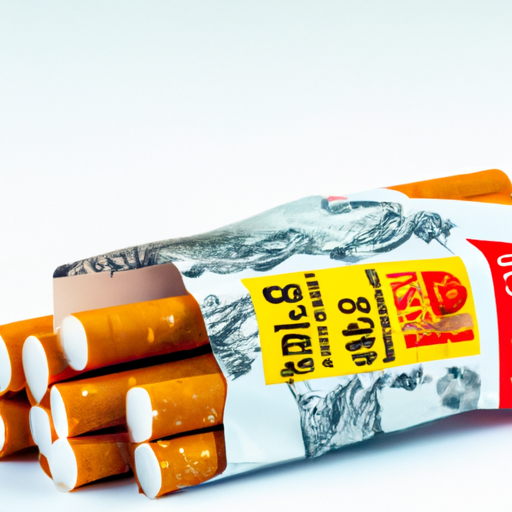
As I sit here in my favorite pub, with a pint in one hand and a cigarette in the other, I can’t help but reflect on the culture surrounding cigarettes in the UK. For many years, smoking has been a common and accepted behavior in British society, but in recent years, this cultural norm has come under scrutiny. As a smoker myself, I have observed the changes in attitudes and regulations towards cigarettes, and have seen firsthand the impact it has had on both smokers and non-smokers alike.
In the UK, cigarettes are deeply ingrained in our history and culture. It is estimated that smoking has been a part of British life since the 16th century, when tobacco was introduced to the country by explorers returning from the New World. By the late 19th century, smoking had become a widespread habit, with cigarettes being sold in almost every pub and corner shop. During this time, smoking was seen as a symbol of rebellion and sophistication, with many iconic figures such as James Dean and Audrey Hepburn portraying this image on the big screen.
However, over time, the health risks associated with smoking became more apparent, leading to the first major anti-smoking campaign in the UK in the 1970s. This campaign was the beginning of a gradual shift in attitudes towards smoking, with cigarettes being increasingly viewed as a harmful and addictive substance. With this change in attitudes came stricter regulations on where and when smoking was allowed. Smoking was banned in all enclosed public places in 2007, and more recently in 2021, smoking has been banned in all outdoor public places as well, making it increasingly difficult for smokers to indulge in their habit.
As a smoker, I have seen the impact of these regulations firsthand. No longer able to light up in my local pub or even on the street, I often have to go out of my way to find a designated smoking area or simply wait until I am in the privacy of my own home to have a cigarette. This not only affects me, but also other smokers who have had to adapt to these changing regulations.
But the impact of these regulations goes beyond just the inconvenience for smokers. The rise in anti-smoking trends has also led to a decline in smoking rates in the UK, with only 15.1% of adults identifying as smokers in 2019, compared to over 45% in the 1970s. This may seem like a positive statistic, but it has also had negative consequences for the economy. The sale of cigarettes is a significant source of revenue for the UK government, and with fewer people smoking, there has been a decrease in tax revenue. This has led to an increase in the cost of cigarettes, making it even more difficult for smokers to afford their habit.
Despite the challenges and changing attitudes towards smoking, cigarettes remain a popular and prevalent part of British culture. The ritual of taking a smoke break with colleagues, having a cigarette after dinner, or simply enjoying a cigarette with a drink at the pub are all deeply ingrained in our daily lives. It is not just a physical habit, but also a social and emotional one.
As a result, many smokers continue to smoke despite the increasing regulations and health risks. The high tax on cigarettes also means that many smokers turn to cheaper, low-quality alternatives such as rolling tobacco or counterfeit cigarettes purchased from the black market. This not only poses health risks for smokers, but also leads to a loss of tax revenue for the government and puts a strain on law enforcement to combat illegal sales.
Despite the challenges and controversies surrounding cigarettes, there are still many who believe that smoking is a personal choice and should not be regulated by the government. This debate often centers around the argument of personal freedoms versus public health, with smokers arguing that they should have the right to smoke if they choose to do so. However, the effects of secondhand smoke on non-smokers cannot be ignored, and it is important to strike a balance between personal freedoms and public health.
In the end, the issue of cigarettes in the UK is a complex and multifaceted one. It is not just a matter of health or personal choice, but one that affects our culture, economy, and society as a whole. As a smoker, I have seen the changes and challenges that have come with it, but I also understand the importance of finding a balance that benefits both smokers and non-smokers. Whether you are a smoker or a non-smoker, the debate and regulations surrounding cigarettes will continue to shape our culture for years to come.