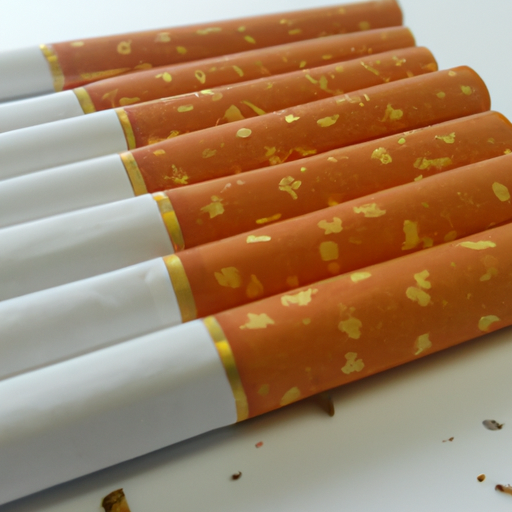
As I sit here with a lit cigarette in my hand, I can’t help but think about the impact these small sticks of tobacco have had on the UK over the years. From their rise in popularity in the early 20th century to the smoking ban that was introduced in 2007, cigarettes have been a contentious topic and a staple in British culture.
Growing up, smoking was seen as a normal and even glamorous activity. My parents, like many of their generation, were smokers and it was a common sight to see people lighting up in restaurants, bars, and even on public transport. But as I got older and more aware of the dangers of smoking, I started to realize just how damaging this habit can be.
The UK has a long history with cigarettes, dating back to the early 16th century when tobacco was first brought over from the New World. It wasn’t until the late 1800s when cigarettes as we know them today were invented. Before that, smoking tobacco involved rolling it in paper or leaves, a time-consuming and messy process. But the invention of the cigarette machine in 1881 made it easier and more affordable to produce cigarettes, leading to a boom in their popularity.
By the early 20th century, smoking had become a national pastime, with tobacco companies advertising their products as sophisticated and glamorous. Famous figures such as Audrey Hepburn and James Dean were seen smoking in movies, cementing cigarettes’ association with wealth and status.
But despite the façade of sophistication, it was becoming increasingly clear that smoking was damaging to one’s health. In the 1950s, scientists began linking smoking to various illnesses, such as lung cancer and heart disease. This sparked public health campaigns that aimed to educate the population about the dangers of smoking.
In 1965, the UK became one of the first countries to require warning labels on cigarette packaging, which stated “smoking can be seriously harmful to your health.” It wasn’t until 1971 that the government took a more proactive approach to discourage smoking by banning cigarette advertisements on television and radio.
However, the number of smokers continued to rise until the 1990s, when the tide slowly started to turn. In 1990, the government introduced a tobacco tax, making cigarettes more expensive to purchase. This was followed by a ban on smoking in public places in 2007, which prohibited smoking in enclosed public spaces such as bars, restaurants, and workplaces.
This ban sparked controversy and outcry from smokers who felt their right to smoke was being infringed upon. But the evidence was clear – secondhand smoke was just as harmful as smoking itself, and the government had a responsibility to protect the health of its citizens.
The smoking ban, combined with increased taxes and public health campaigns, has had a significant impact on smoking rates in the UK. In 2006, 21% of the population were smokers, compared to only 15.1% in 2018. This decrease in smoking rates is not only beneficial for public health, but it also has economic benefits, as the cost of treating smoking-related illnesses puts a strain on the NHS.
Despite the decrease in smoking rates, cigarettes are still a prevalent part of British culture. According to the Office for National Statistics, in 2018, there were still 7.4 million smokers in the UK. This shows that smoking is not just a physical addiction, but also a deeply ingrained cultural habit.
In recent years, there has been a rise in alternative forms of smoking, such as e-cigarettes and vaping. While these products have been marketed as a healthier alternative to traditional cigarettes, they are still relatively new, and the long-term effects are still unknown.
The government has taken a cautious approach to e-cigarettes, with laws to regulate their sale and advertising. However, there are concerns that these products could potentially lead non-smokers, particularly young people, to take up smoking.
As someone who has struggled with quitting smoking, I know firsthand the physical and psychological addiction that comes with it. It’s not just the nicotine cravings that are difficult to overcome, but also the habit and ritual of smoking that can be hard to break.
But despite my own struggles, I am grateful for the measures that have been taken in the UK to discourage smoking. The smoking ban has made it easier for non-smokers to avoid exposure to secondhand smoke, and the high taxes make it less appealing for young people to start smoking.
In conclusion, cigarettes have had a long and controversial history in the UK. While they were once seen as a glamorous and sophisticated habit, the dangers of smoking have become increasingly evident. The UK government has taken steps to decrease smoking rates and protect the health of its citizens, but there is still work to be done to reduce the number of smokers in the country. As for me, I’ll continue to struggle with my own addiction, but I am hopeful that one day I’ll be able to enjoy a smoke-free life.